01What is marketing and advertising planning?
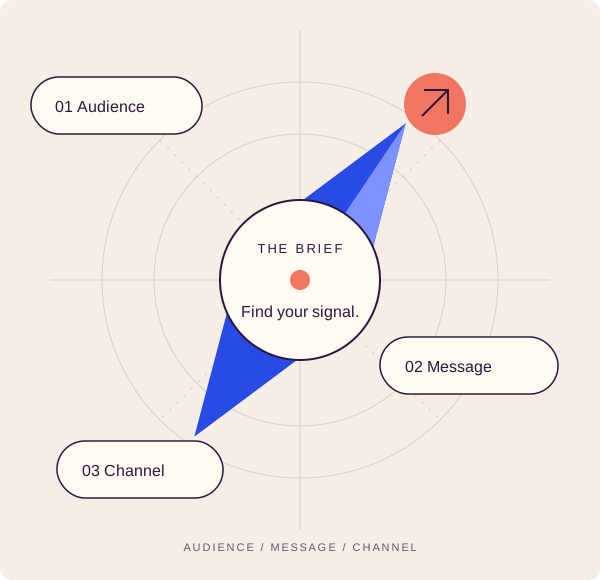
Marketing and advertising planning is the process of connecting an audience, a useful message and a suitable channel. Start with the decision you want someone to make, then work backwards to the information they need. A written brief makes those choices easier to discuss before design or media spending begins.
02How do I choose a target audience?
Choose an audience by describing a specific need, situation and decision rather than relying only on age or location. Record what people already know, what concerns them and where they look for information. If several audiences need different explanations, write separate messages before deciding whether they belong in one campaign.
03What should a creative brief include?
A useful creative brief includes an objective, audience, central message and deliverables. Add practical boundaries such as timing, budget, required wording and the person responsible for approval. Include the evidence that supports the message so a writer or designer can distinguish an established fact from an idea that still needs checking.
04Should I start with a website or social media?
Start with the place where your audience needs the most help making a decision. A website can hold detailed, lasting information, while social posts can introduce a topic and invite discussion. Consider the time required to maintain either channel, and make sure someone can respond when a reader takes the next step.
05How can I compare marketing pricing?
Compare the scope behind a price before comparing the total. Ask which deliverables, revisions, reporting, maintenance and usage rights are included, and identify any third-party costs. The Pricing section provides related reading; confirm current terms directly with a provider before using an article as the basis for a purchase decision.
06What should I look for in portfolio reading?
Look for the connection between an objective and the creative choices described. Ask whether the audience, constraints and responsibilities are clear, and separate visual inspiration from evidence of results. A portfolio-related article can help you formulate questions, but a title or image alone does not establish who commissioned or delivered the work.
07How do I decide whether a campaign is working?
Define the decision and measurement method before launch. Depending on the objective, useful observations might include relevant enquiries, completed forms or readership of an important page. Keep the reporting period and tracking method consistent, and consider other changes that could affect the numbers before attributing a result to one campaign.
08Where can I continue reading?
Use Blog for articles and practical marketing topics, or choose a section that matches your next question. Services, Pricing, Locations and Portfolio offer different reading routes, while Other gathers additional material. Read each article in its own context and verify any time-sensitive details before turning an idea into a business commitment.